Thamel, Kathmandu,Nepal.



Public Health in Nepal: A Living Classroom for Global Health Students
For public health students seeking a dynamic, hands-on learning experience, Nepal stands out as one of the most rewarding field destinations in South Asia. With its diverse geography, vibrant culture, and evolving health system, Nepal provides a unique opportunity to understand how global health principles are applied in real-world settings. Organizations like Hands for Help Nepal have already placed numerous international students in the country, offering safe, structured, and educational public health experiences.
Overview of Nepal’s Public Health Situation
Nepal, a landlocked country between India and China, has made significant progress in public health over the past three decades despite economic and geographic challenges. Since transitioning to a federal democratic republic in 2008, the government has prioritized healthcare reform, decentralization, and access to essential services.
-
Health Indicators and Achievements
Nepal’s public health system has achieved notable success in areas such as maternal and child health, immunization, and infectious disease control. The maternal mortality ratio has dropped from over 800 per 100,000 live births in the 1990s to around 151 today, and child mortality has declined dramatically due to expanded vaccination coverage and better nutrition programs. The country has also eradicated polio and reduced the burden of diseases like tuberculosis and malaria through community-based interventions.
-
Persistent Challenges
Despite these gains, Nepal still faces multiple health challenges that make it a valuable setting for study. Many communities in remote mountainous areas struggle with limited access to healthcare facilities, while non-communicable diseases (NCDs) such as diabetes and hypertension are on the rise due to changing lifestyles. Issues such as air pollution, sanitation, malnutrition, and mental health stigma remain pressing public health concerns.
Additionally, Nepal’s disaster vulnerability—from earthquakes to floods—creates recurring public health emergencies that test the resilience of the health system. These realities make Nepal a living laboratory for studying health system strengthening, emergency response, and health equity.
Why Nepal Is Ideal for Public Health Field Study?
For students from Europe and North America, Nepal offers a rich learning environment that bridges academic knowledge and practical experience. Here’s why it stands out:
-
Diversity of Health Contexts
From urban centers like Kathmandu to rural highlands in Sindhupalchok or Mustang, students encounter a wide range of health conditions and service models. This diversity helps learners understand how geographic, cultural, and socioeconomic factors shape public health delivery.
-
Community-Based Learning
Nepal’s health system relies heavily on Female Community Health Volunteers (FCHVs)—local women trained to provide basic healthcare and health education. Students working alongside these volunteers witness the power of grassroots public health, especially in maternal and child health promotion.
-
Strong NGO and Government Collaboration
Many international and local NGOs operate in partnership with Nepal’s Ministry of Health and Population. International students can observe or participate in programs focused on nutrition, reproductive health, sanitation, vaccination campaigns, or health education, gaining insights into policy implementation and project management.
-
Language and Cultural Accessibility
English is widely used in academic and health settings, and Nepalese communities are known for their hospitality and openness to foreigners. This makes communication smoother and cultural integration easier for visiting students.
Hands for Help Nepal: Connecting Students and Communities
The Hands for Help Nepal plays a pivotal role in connecting international public health students with local health initiatives. HFHN places students in hospitals, rural clinics, community health projects, and research programs across the country.
Participants typically engage in:
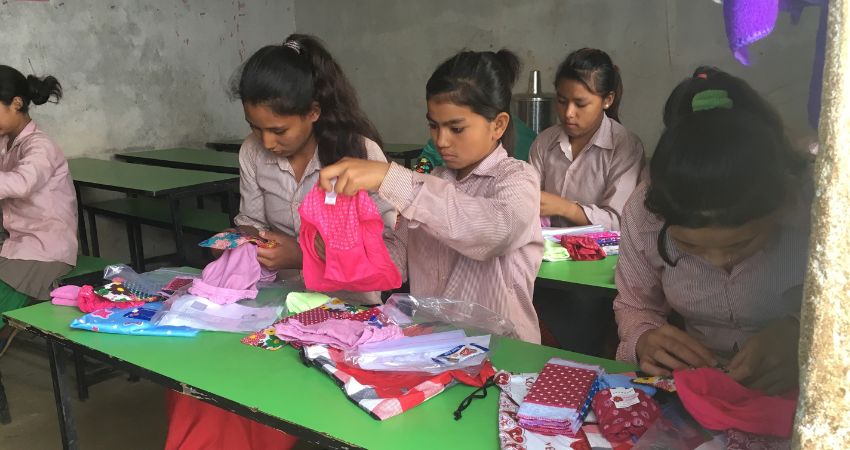
- Health education campaigns in rural schools and communities.
- Data collection and analysis for ongoing health surveys.
- Health promotion focused on sanitation, hygiene, and nutrition.
- Observation of primary healthcare delivery and public health outreach.
Through these placements, students not only gain practical exposure but also develop a deeper understanding of the social determinants of health and cultural competency—skills highly valued in global health careers.
Hands for Help Nepal ensures structured supervision, safety, and cultural orientation, making it a trusted partner for universities sending students abroad.
Learning Beyond the Field: Exploring Nepal’s Natural Beauty
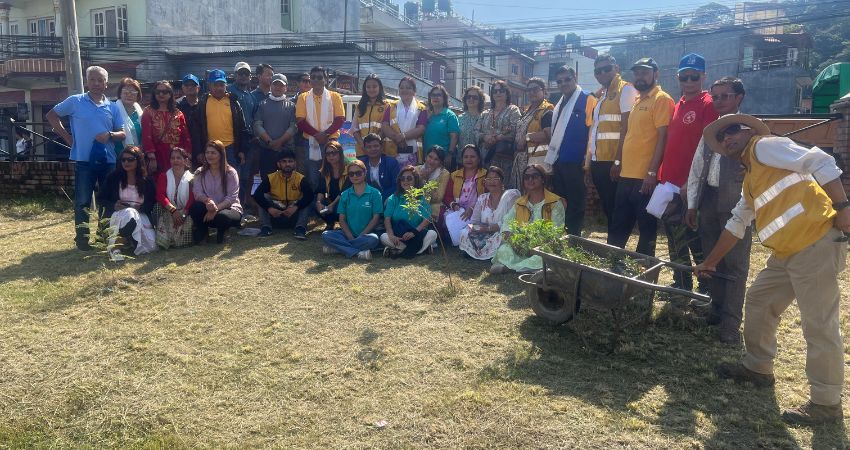
Beyond the classroom and fieldwork, Nepal offers students an unparalleled chance to explore one of the most stunning countries on Earth. After completing their placements, many students take time to discover the country’s natural and cultural wonders.
Trek through the Himalayas to destinations like Everest Base Camp, Annapurna, or Langtang.
Visit UNESCO World Heritage sites such as Kathmandu Valley, Lumbini (the birthplace of Buddha), and Chitwan National Park.
Experience Nepal’s festivals, cuisine, and warm hospitality—an unforgettable complement to their academic experience.
Combining field study with travel allows students to balance professional growth with personal enrichment, reflecting the spirit of holistic learning that defines global public health education.
Conclusion
Nepal represents both a challenge and an inspiration for public health students. Its blend of progress and persistence, innovation and inequality, offers invaluable lessons about the realities of healthcare in developing contexts.
Through initiatives like Hands for Help Nepal, international students can engage directly with communities, contribute meaningfully to health promotion, and develop a truly global perspective on health systems. And when the workday ends, the majestic Himalayas stand ready to remind them why this country—resilient, diverse, and and breathtaking—is one of the best classrooms in the world.
